
All Scheduled Programs
Upcoming:
Ecology-based Landscape Practice
A 7-part Virtual Intensive Course for Professionals
Individual Sessions:
Meadow Making:
A Brains Over Brawn Approach
A 4-part Virtual Intensive Course for Home Gardeners
Individual Sessions:
Landscaping with Nature:
Turning Battles into Partnerships
A 4-part Virtual Intensive Course for Home Gardeners
Individual Sessions:
2025 Spring Virtual Education Series
Individual Professional & Home Gardener Sessions
Previously Held Live:
(Register to view recordings for 3 months from live date)

Join us for our Live Q&A Series with Larry Weaner! "Garden Chats with Larry" will be a FREE, quarterly live series where you can ask Larry your ecological gardening & landscaping questions.
FREE AND OPEN TO ALL
Preston Montague
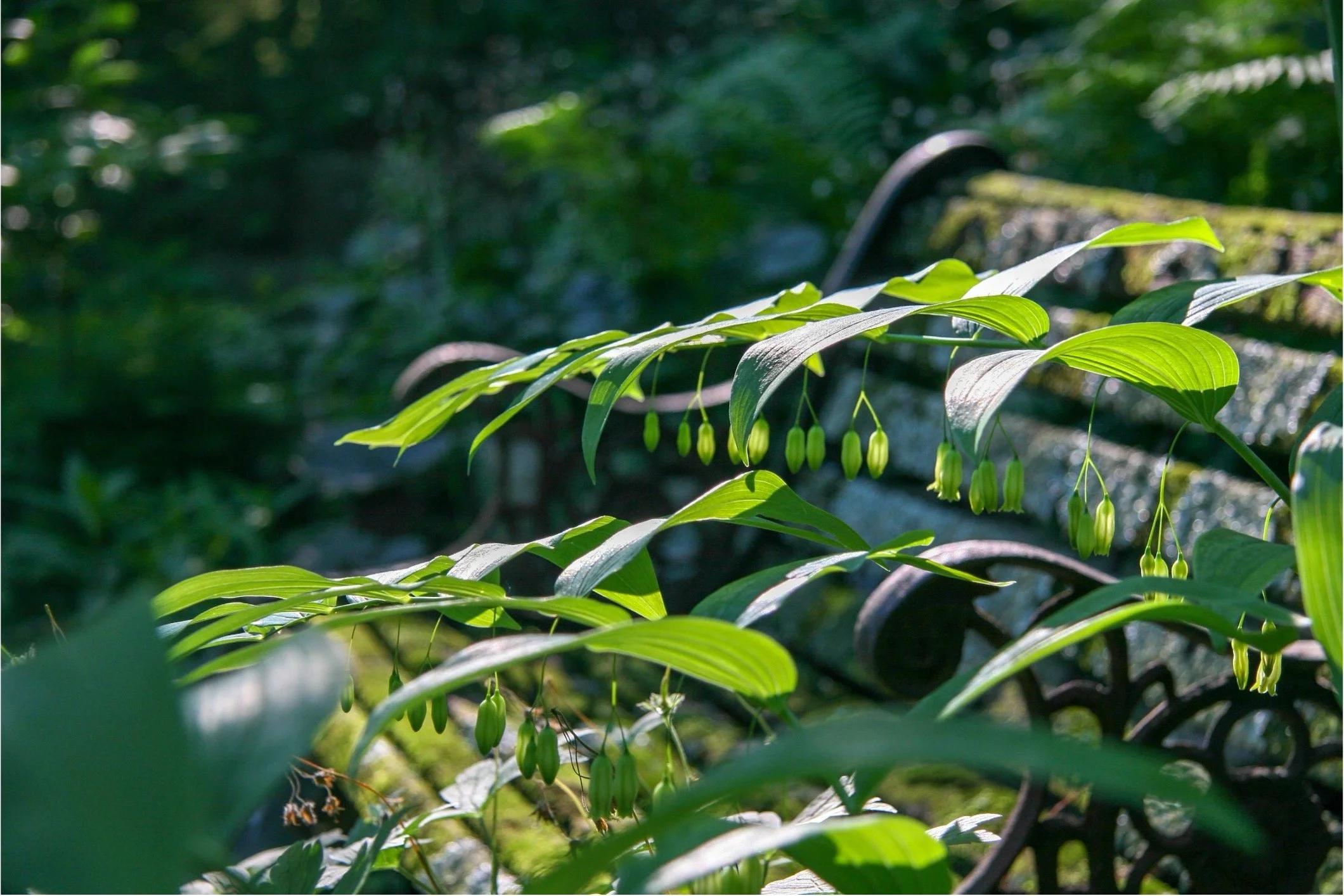
Drawing from a series of residential projects, landscape architect Preston Montague shares design strategies that integrate native plants, improve soil health, and manage stormwater while delivering rich, immersive experiences for home gardeners. Through these case studies, Preston unpacks how small design moves can boost a landscape’s ecosystem service potential (both above and below ground) and demonstrates how these principles can be adapted to common residential garden conditions. Attendees will leave with practical ideas and inspiration for “wildening” their own gardens to enhance ecological performance and deepen their sense of place.
Category: Home Gardener
Fee: $38
Join us for our Live Q&A Series with Larry Weaner! "Garden Chats with Larry" will be a FREE, quarterly live series where you can ask Larry your ecological gardening & landscaping questions.
FREE AND OPEN TO ALL
Join us for our Live Q&A Series with Larry Weaner! "Garden Chats with Larry" will be a FREE, quarterly live series where you can ask Larry your ecological gardening & landscaping questions.
FREE AND OPEN TO ALL

Incorporating a region’s indigenous plant communities and ecological processes is at the heart of ecology-based design. But no natural system operates in isolation or is forever immune to change…..especially today where the effects of watershed alteration, soil disturbance, plant globalization, and climate change are at play worldwide. Our Symposium will begin by zooming in on techniques for regionally-specific landscape analysis and design. We will then widen the lens and learn how disturbance, ecological science, and cultural land practices across regions can factor into those processes. Finally, we will explore how an expansive view of landscape art can unify this micro/macro divide in landscapes ranging from expansive to intimate.
Category: Professional

Incorporating a region’s indigenous plant communities and ecological processes is at the heart of ecology-based design. But no natural system operates in isolation or is forever immune to change…..especially today where the effects of watershed alteration, soil disturbance, plant globalization, and climate change are at play worldwide. Our Symposium will begin by zooming in on techniques for regionally-specific landscape analysis and design. We will then widen the lens and learn how disturbance, ecological science, and cultural land practices across regions can factor into those processes. Finally, we will explore how an expansive view of landscape art can unify this micro/macro divide in landscapes ranging from expansive to intimate.
Category: Professional
Doug Tallamy, PhD & Larry Weaner, FAPLD
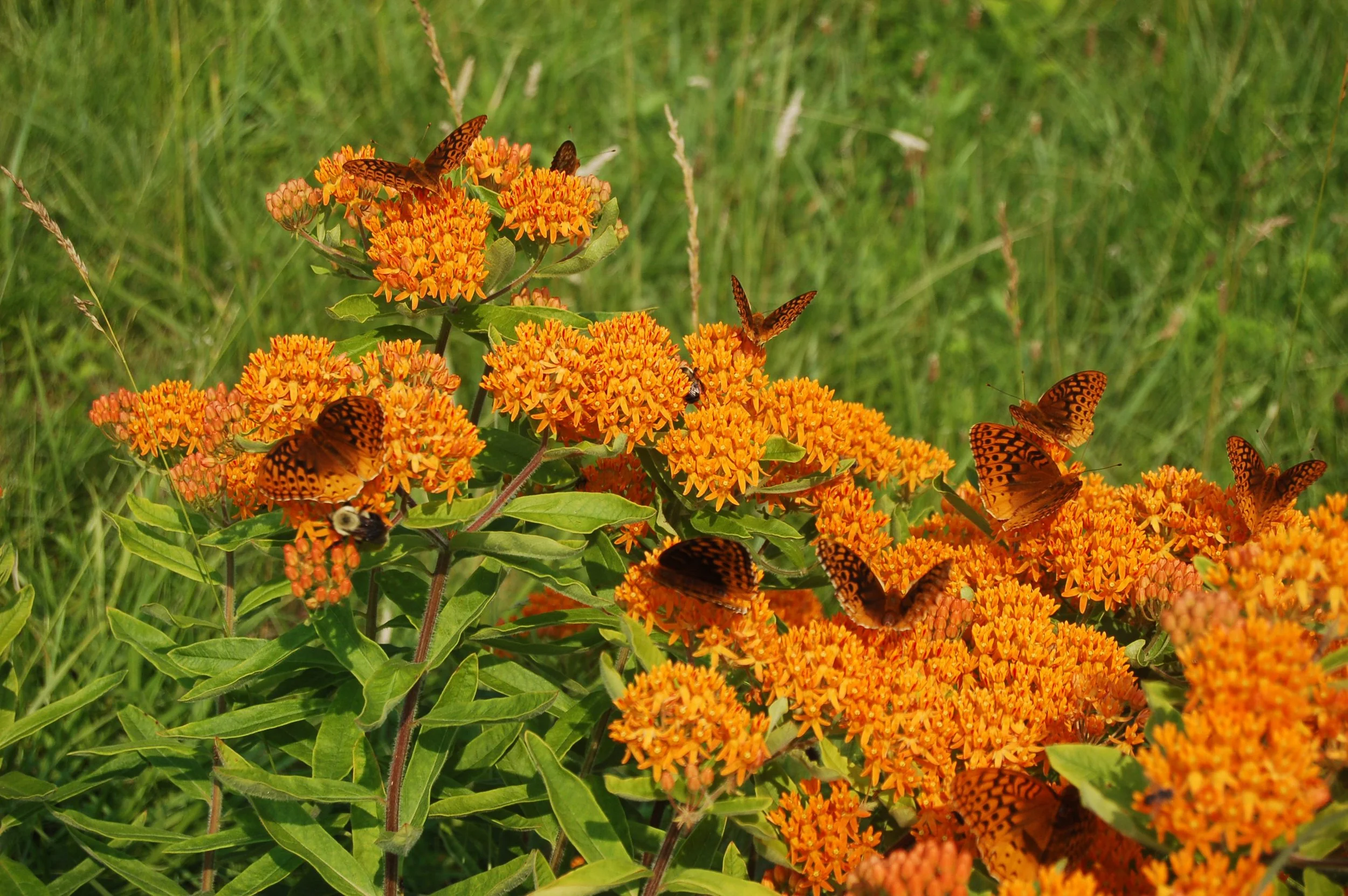
To support native birds and pollinators you need native plants. For those plants to thrive, you need to know how to plant, arrange, and manage them. And to optimize the wildlife benefits, those plants must provide habitat throughout the year. In this presentation, entomologist & wildlife ecologist Doug Tallamy and landscape designer Larry Weaner will illustrate an all too rare, integrated approach to habitat creation on residential properties. In an alternating series of presentations, they will connect plants, wildlife, and their specific seasonal needs to illustrate the dynamic landscapes that this integrated approach can provide. They will conclude by comparing notes on their personal experience, interacting with plants and wildlife on their respective home landscapes.
Fee: $38
Photo by Ian Caton
Chad Bitler
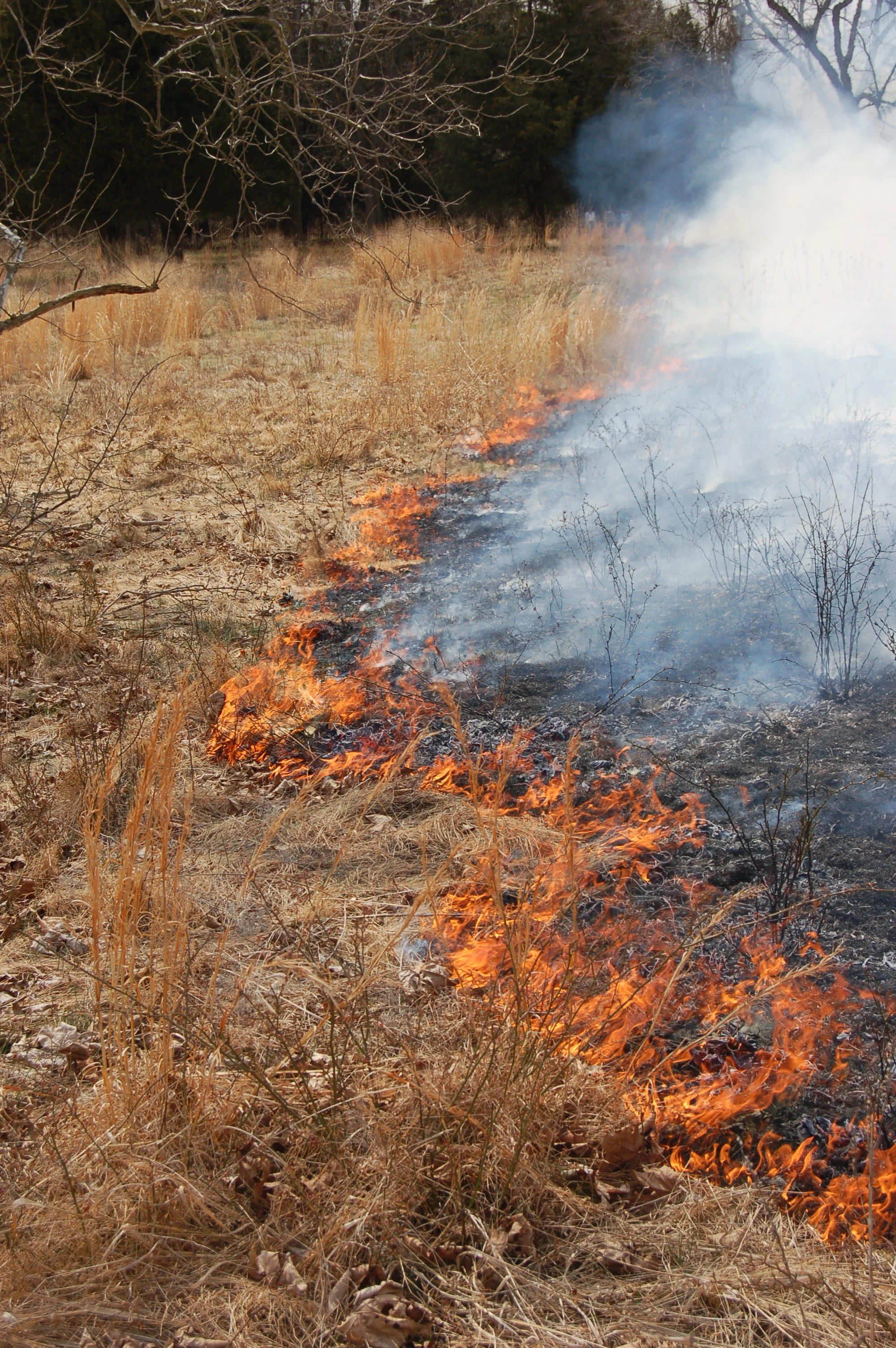
This presentation will explore how natural disturbances, such as grazing and fire, can be valuable tools in the establishment and maintenance of prairie ecosystems. We'll delve into how grazing by herbivores influences plant diversity and structure, while fire serves as a natural disturbance that promotes the dominance of grasses and prevents woody plant encroachment. By understanding these interconnected processes, we can appreciate their role in shaping vibrant, resilient prairies. The discussion will also touch on how these ecological forces contribute to soil health, biodiversity, and the overall sustainability of prairie landscapes. To conclude the program, Larry Weaner will join Chad to discuss ways to overcome the practical difficulties of incorporating these strategies outside of agricultural or ecological restoration settings. These will include the potential availability of new landscape services and equipment that can provide mechanized facsimiles of the processes described in the program.
Fee: $42
Join us for our Live Q&A Series with Larry Weaner! "Garden Chats with Larry" will be a FREE, quarterly live series where you can ask Larry your ecological gardening & landscaping questions.
FREE AND OPEN TO ALL
Ethan Dropkin, MLA
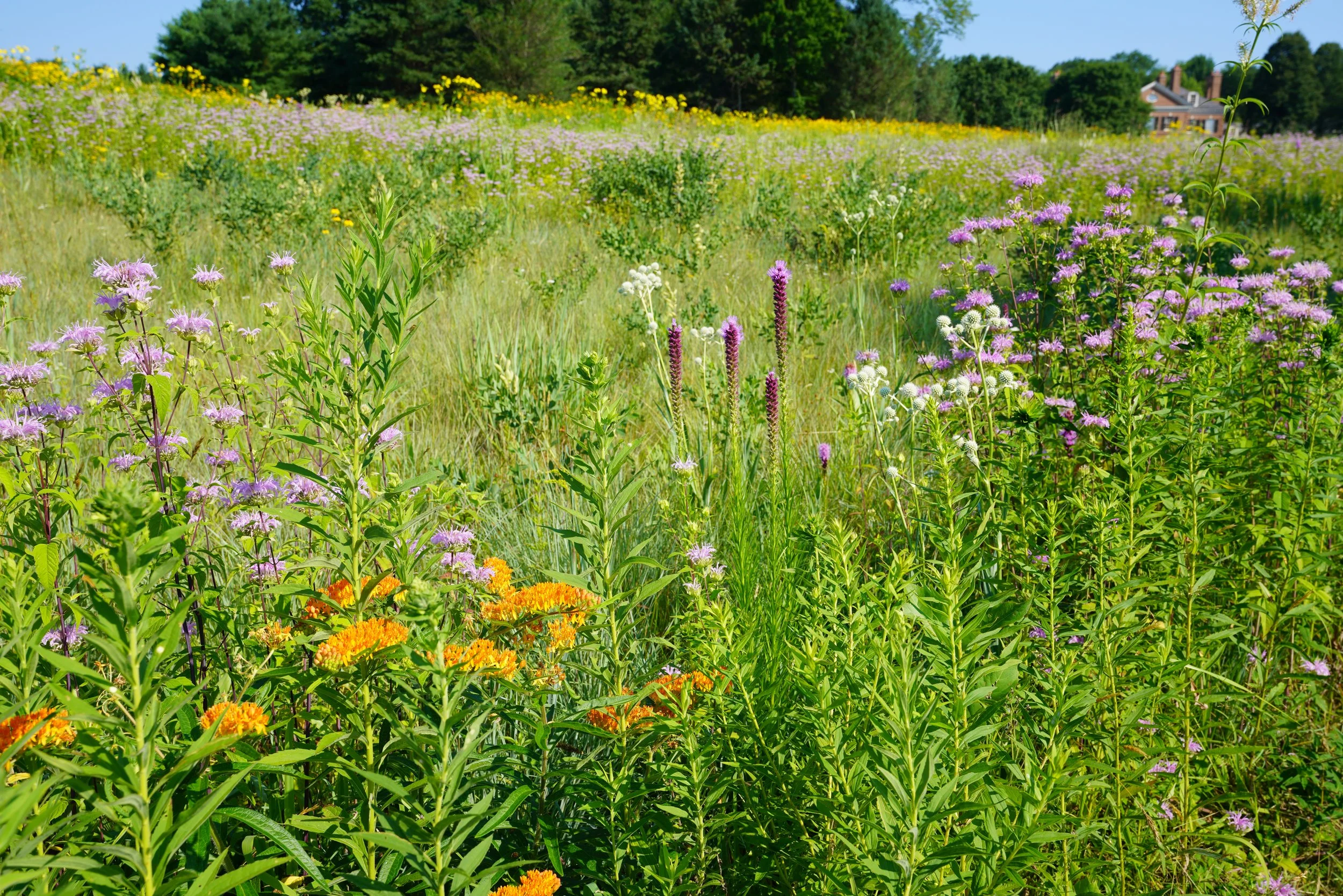
While seed mix formulation can look simple, long-term meadow success is rooted in a detailed understanding of individual species characteristics, how to quantify those species, how they fit together to form a community, and their roles in the various stages of meadow development. He will also discuss how to overlay various mitigation requirements, as well as the aesthetic preferences of the client.
Through his experience with Larry Weaner Landscape Associates (LWLA) and his encyclopedic knowledge of native plants, Ethan is uniquely qualified to enhance your ability to design and oversee successful native meadows.
Category: Professional
Fee: $42

Perla Sofía Curbelo-Santiago
More and more people are turning to nature to recharge. Whether you have a patio, a balcony, or a small corner by the window, you’ll discover how to create a space that supports relaxation and meaningful pauses. But simply adding plants to a room or intimate outdoor space doesn’t guarantee rest or well-being.
In this thoughtful and inspiring session, you’ll learn what truly makes a Garden Break Room effective. Through stories, research-backed insights, and real examples from both home and office settings, author and garden communicator Perla Sofía Curbelo-Santiago will guide you through the essential elements—both visible and invisible—that help people feel restored, not just impressed.
Fee: $32

Larry Weaner, FAPLD and Sara Weaner Cooper
After a three-week opportunity to digest the information provided in the previous three sessions, attendees will have the opportunity to ask questions and discuss the course information. The freewheeling format will allow for exploration of the many “variations on the meadow theme” that can arise from the individual experiences and interests of course attendees.
6:00 - 7:15 PM ET
Register today for Meadow Making
Photo by Steve Ford

Larry Weaner, FAPLD
After a three-week opportunity to digest the information provided in the previous three sessions, attendees will have the opportunity to ask questions and discuss the course information. The freewheeling format will allow for exploration of the many variations inherent to an ecology-based approach.
6:00 - 7:15 PM ET
Register today for Landscaping with Nature
Photo by Steve Ford

Lyla June Johnston
The notion that the Americas were "wilderness" prior to European arrival is false. The notion that Native Americans were sparsely populated and technologically stunted are also false. The Americas were inhabited for 25,000+ years according to recent archaeological finds, and within this time period humanity managed to transform vast regions into edible ecosystems that benefitted both humans and non-humans alike. Dr. Johnston's extensive research in the area draws lessons from paleo-archaeological stories of abundant and sustainable bioregional food systems and applies them to contemporary landscape design, with a focus on edibility ratings. How can we (and why should we) make our household, municipality and community landscapes more edible, moving away from the "ornamental" goals of Euro-centric landscape design?
Fee: $35

Larry Weaner, FAPLD
Meadow management, particularly in the first two years, is every bit as important as planning and planting. Here we will show how piggybacking on ecological processes can preserve the meadow’s long term integrity without the need to add supplements, cut incessantly, and endlessly pull weeds. In scientific terms this vegetative condition is called “relative ecological stability.” In landscape terms it is called “low maintenance.”
6:00 - 7:15 PM ET
Registration includes Sessions 1 - 4.

Uncovering the often-hidden vegetative characteristics of a site can help designers enhance botanic diversity, while curating inspirational places that elicit a true sense of place. This full day session will include classroom presentations and field exploration of both meadow and woodland landscapes. Presenters, including designer Larry Weaner and ecologist/horticulturist Steven Conaway, PhD, will show how deep site analysis can help designers recognize and incorporate a site’s inherent inclinations - be it for a restoration, a garden, or a blend of the two.
Category: Professional (CEUs available)
Fee: $310
Student rate (with ID): $246

Larry Weaner, FAPLD
“Relative ecological stability” is a term used by ecologists to describe a highly competitive vegetative composition that allows few new individuals to enter the system. In garden-speak, that translates to “low maintenance.” In our final session we will illustrate how piggybacking on this and other ecological processes can change garden management from a battle to a partnership. Using examples from his own property as well as diverse client projects, Larry will share how a brains-over-brawn approach can result in compelling, easily managed landscapes that liberate both plants and people.
6:00 - 7:15 PM ET
Larry Weaner, FAPLD and Sara Weaner Cooper
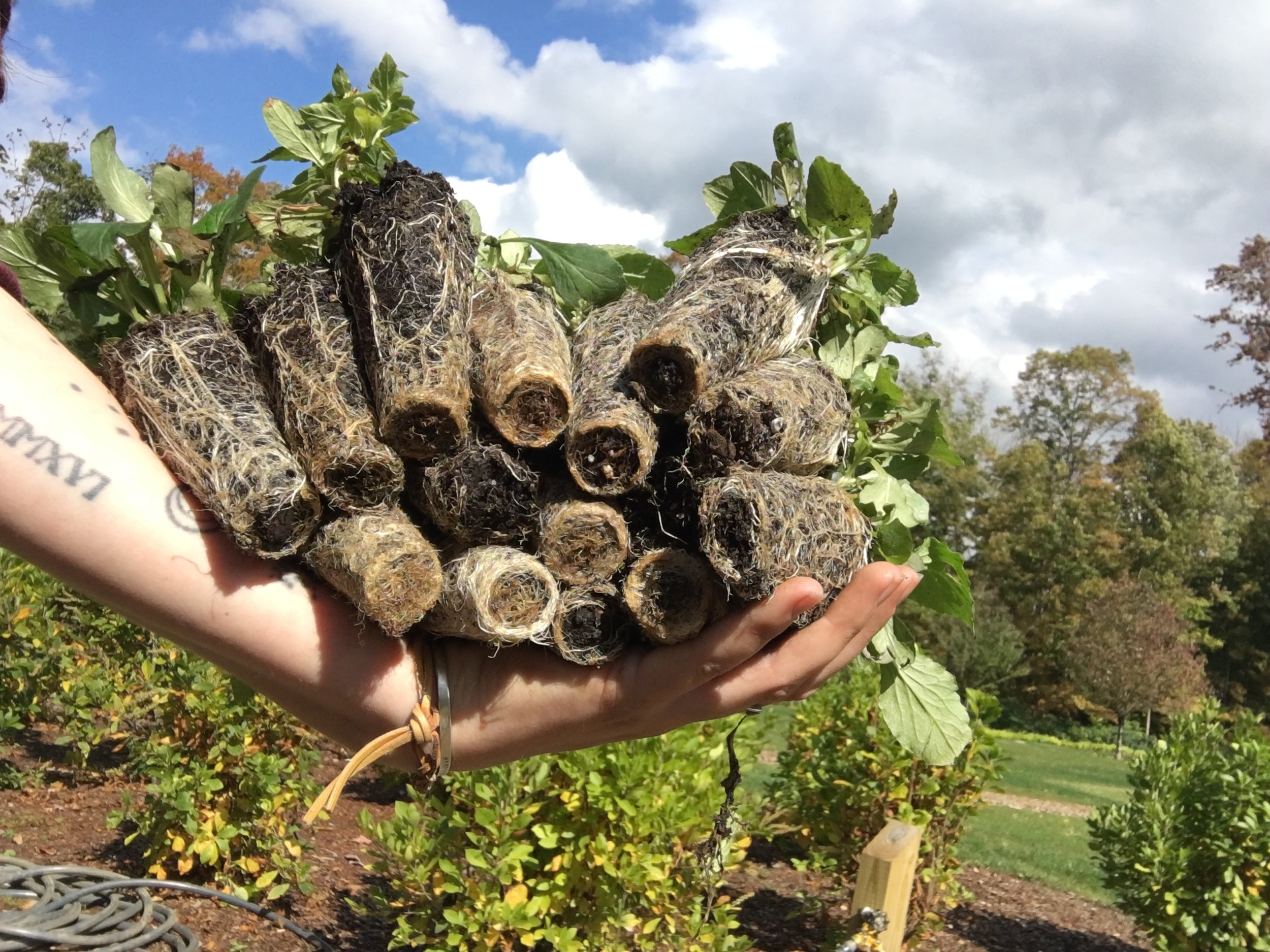
From rototilling to fertilizing, many garden planting techniques are actually counterproductive when it comes to meadow making. In this session we will illustrate how to sow meadow seeds and plant live plants in a manner that puts them in a position to succeed without the intensive maintenance requirements of turf grass or traditional gardens. This session will also include a brief presentation by Sara Weaner Cooper who will describe her chemical-free/no kill lawn-to-meadow transition project, now in its highly successful second year.
6:00 - 7:15 PM ET
Registration includes Sessions 1 - 4.
Larry Weaner, FAPLD
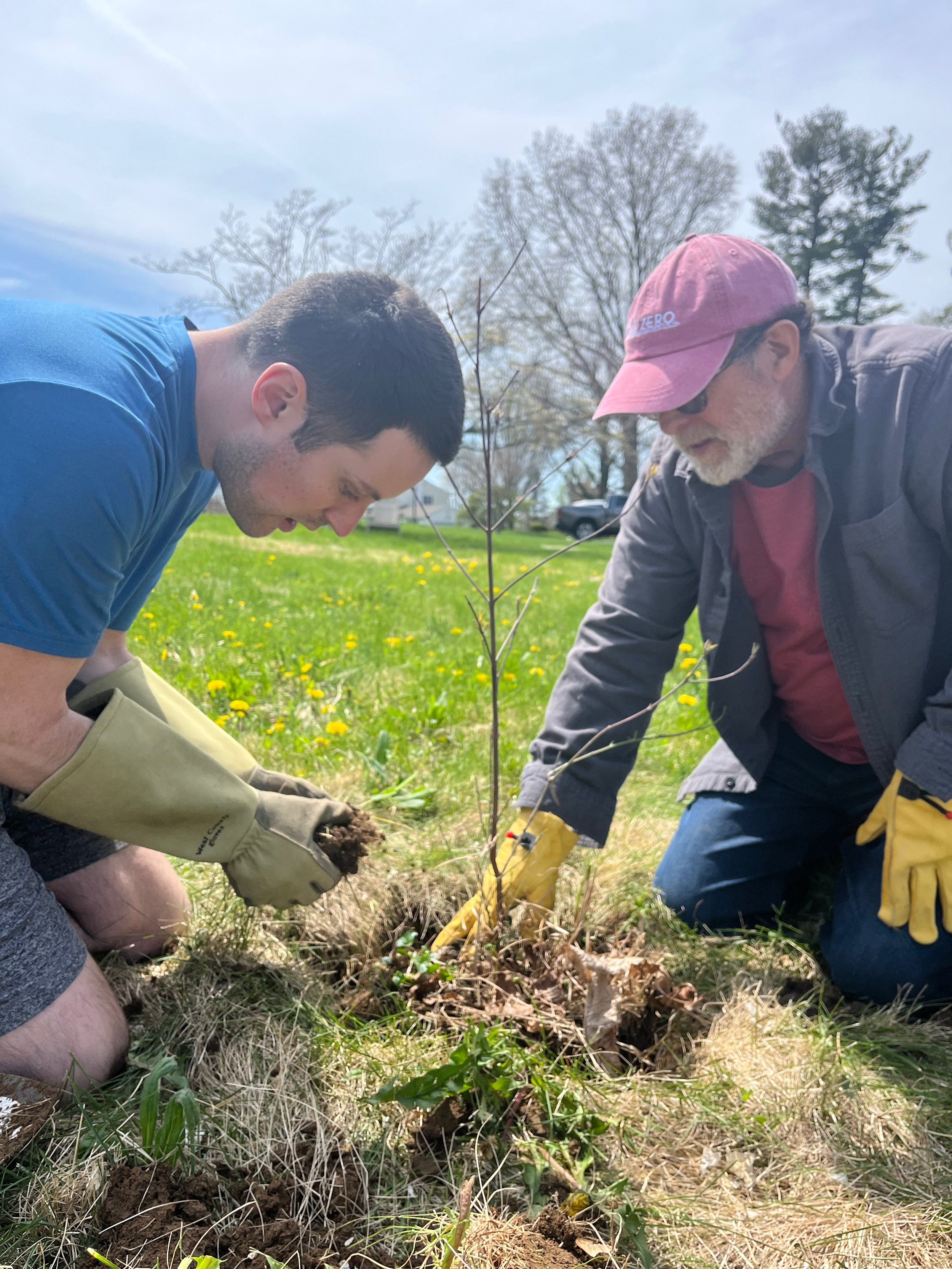
In this session we will learn how “light touch” planting techniques can increase plant survival and reduce post-planting maintenance. The disturbance that results from deep digging, soil enhancement, and soil replacement always stimulates a flush of weeds. Applying fertilizer helps those weeds grow faster. In this session we will learn to match the plant to the soil, not the soil to the plant, an approach that avoids weed-enacting soil disturbance and places plants in soils that are familiar and conducive to their survival. We will also discuss how to select nursery plants that are most likely to thrive and proliferate in your landscape.
6:00 - 7:15 PM ET