New England Botanic Garden (NEBG) at Tower Hill, Boylston, MA
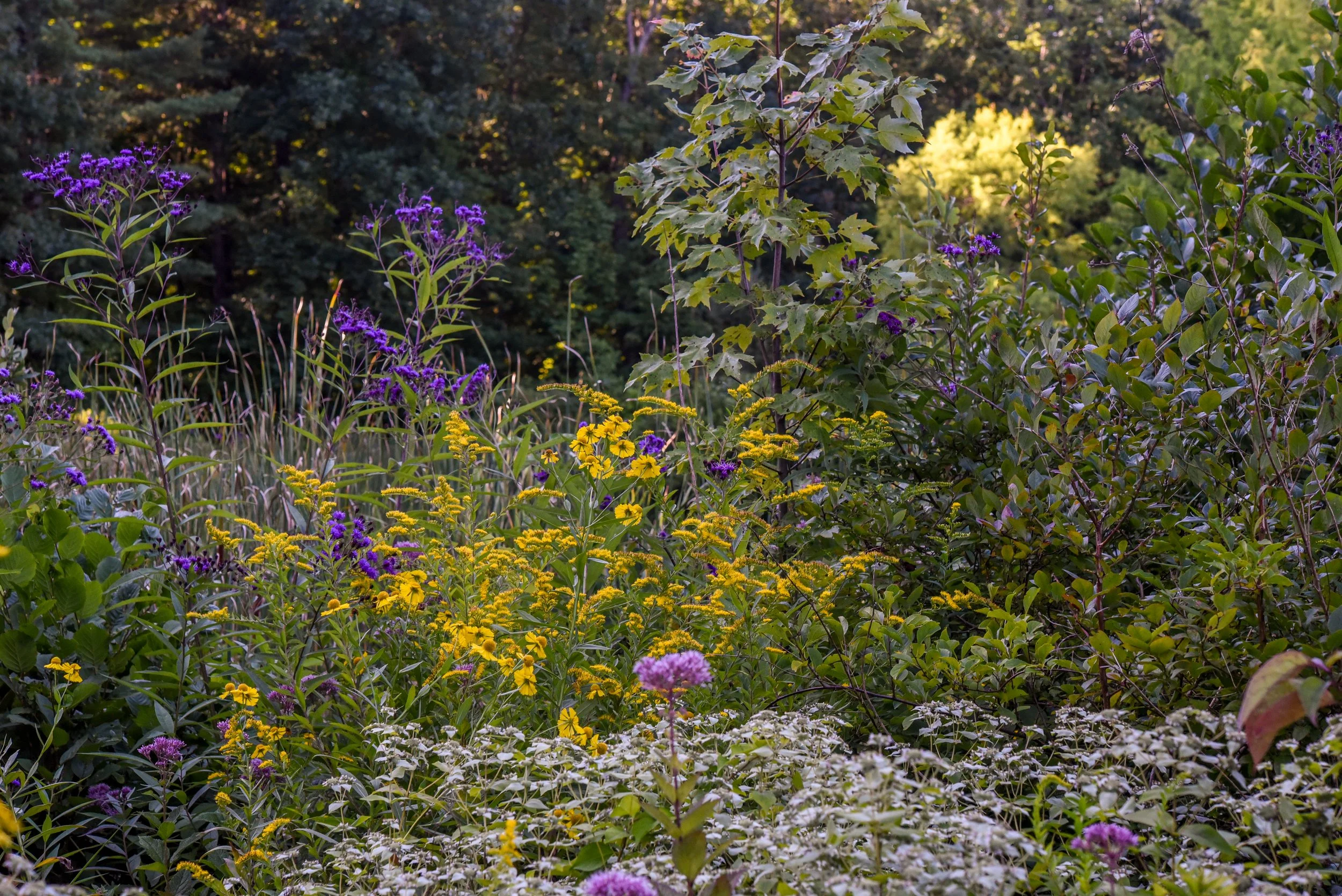
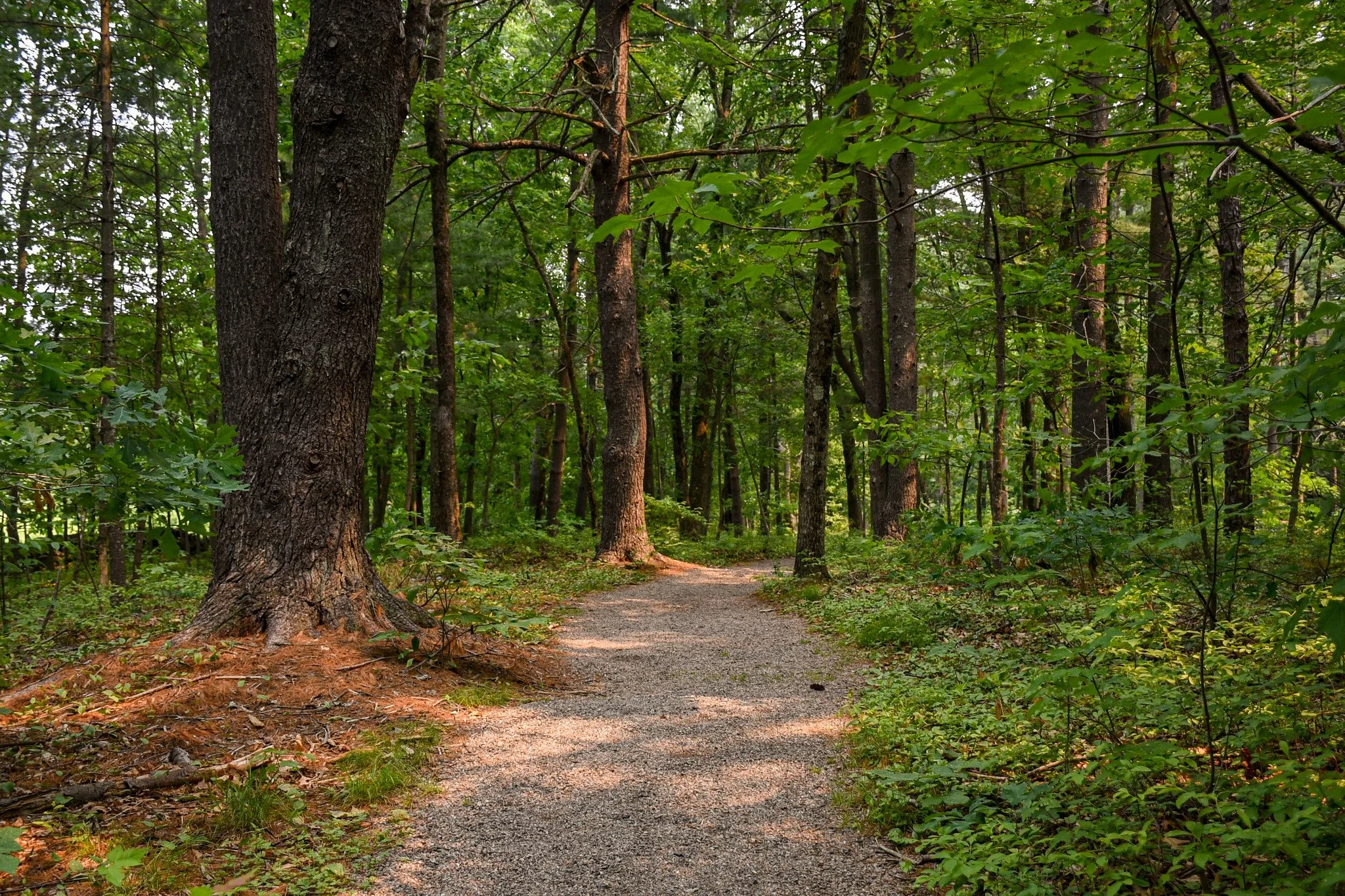
Photo by NEBG at Tower Hill
In Partnership with the Place:
Site-Specific Native Design, New England-Style
Produced in partnership by:
New England Botanic Garden (NEBG) at Tower Hill
New Directions in the American Landscape (NDAL)
When: Wednesday, September 24th, 2025 | 9:00 AM - 5:00 PM*
Where: New England Botanic Garden at Tower Hill, 11 French Dr., Boylston, MA 01505
Category: Professional
CEUs available: APLD, ISA, LA CES, NOFA, SER
Stay tuned for CEU details & instructions. See the CEU Summary Sheet from a similar past NDAL-NEBG field program for reference.
Fee: $310 (Regular Rate)
$246 (Student Rate with ID)
Student, Wild Ones, and CT NOFA/AOLCP members discounts available (scroll down for details)
This program will be held both indoors and outdoors. Held rain or shine!
Limited attendance - Register by Friday, September 19th, 2025
*Times listed above include instructional time & breaks. There will be 6.5 instructional hours.
Cancellations received by September 17, 2025, 9 AM ET will receive a full refund. We are unable to provide refunds after September 17.
-
Light breakfast, lunch, and refreshments are included in the registration fee.
Check-in & breakfast begin at 8:30 AM ET.What’s Hiding in the Landscape? Uncovering a Site’s True Potential (indoor lecture)
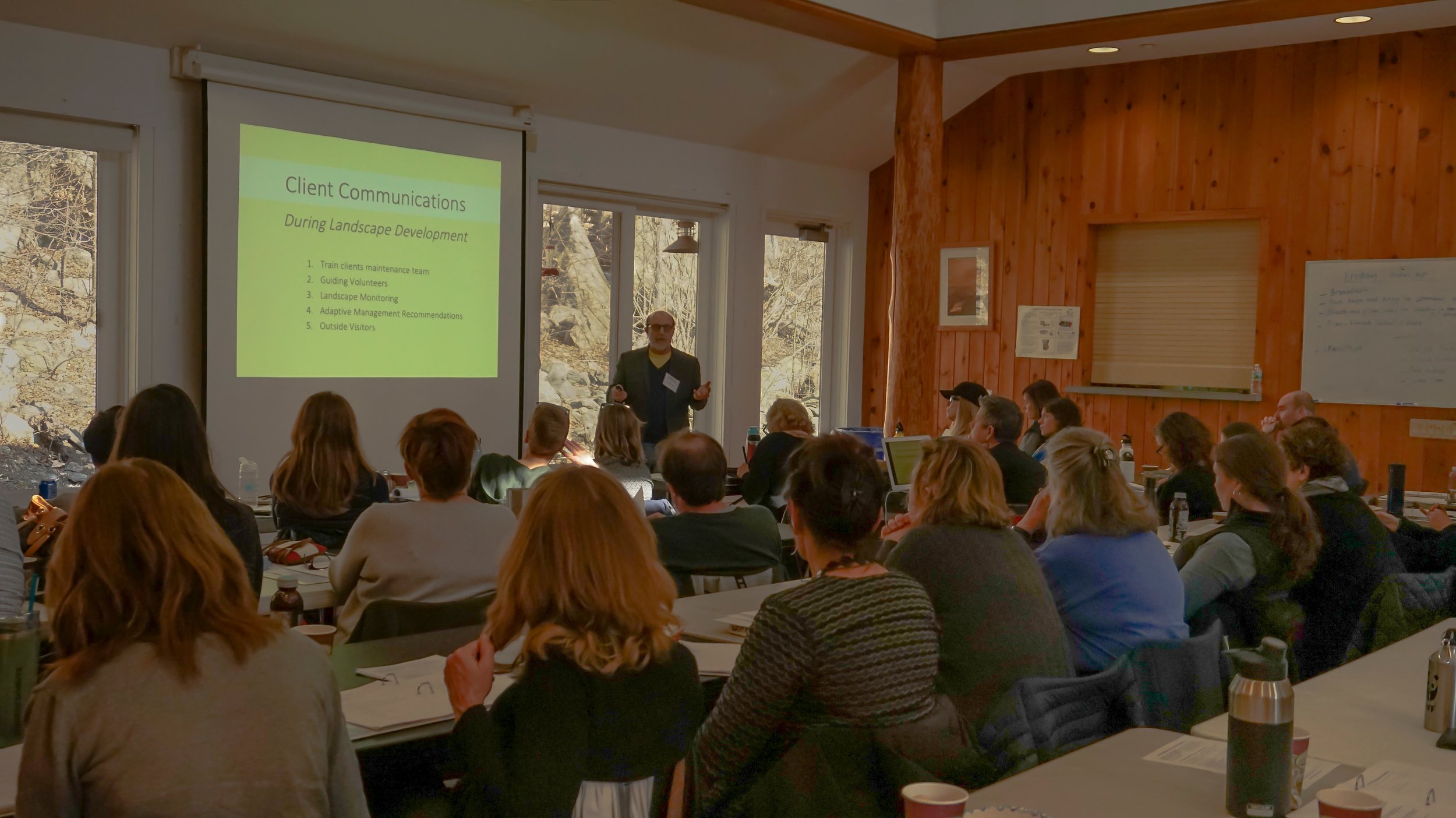
Steve Conaway & Robert GrahamIn this presentation Steve and Robert will discuss the essential work of site assessment in uncovering the plant community traits, ecological processes, and past human activities that inform New England’s widely varied landscapes. Through historic land use records, observations on the ground, and regional resources they will show how to effectively reveal the potential diversity and ecological character of a site. With insights from the past and analysis of the present, designers can more successfully enhance botanical diversity while curating inspirational spaces that elicit a true “sense of place.”
Guiding and Enhancing Vegetative Potential: Assessment into Design (indoor lecture)
Larry WeanerHow does the deep site analysis described in the previous presentation translate into an ecological restoration, a garden design, or a blend of the two? How does spontaneous recruitment of wild plants and the self proliferation of planted ones fit into a designed planting plan? Through case studies of New England projects on a variety of scales, Larry will illustrate how ecological characteristics and processes like disturbance, competition, conservatism, plant colonization, senescence, and ecological succession can combine the existing vegetative inclinations of a site with the practical and artistic visions of the designer and client.
Forest Walk (outdoor walk)
Steve Conaway and Mark RichardsonWe will visit and compare two woodland habitats where we will discuss how their varied environmental conditions and disturbance histories have affected their current vegetative compositions. These will include an upland, Oak-dominated forest where a host of native herbs dominate the understory, with little to no invasive species presence; and an adjacent lowland forest where invasive species abound, but with occasional novel species like rattlesnake plantain and large whorled pogonia.
Field Walk (outdoor walk)
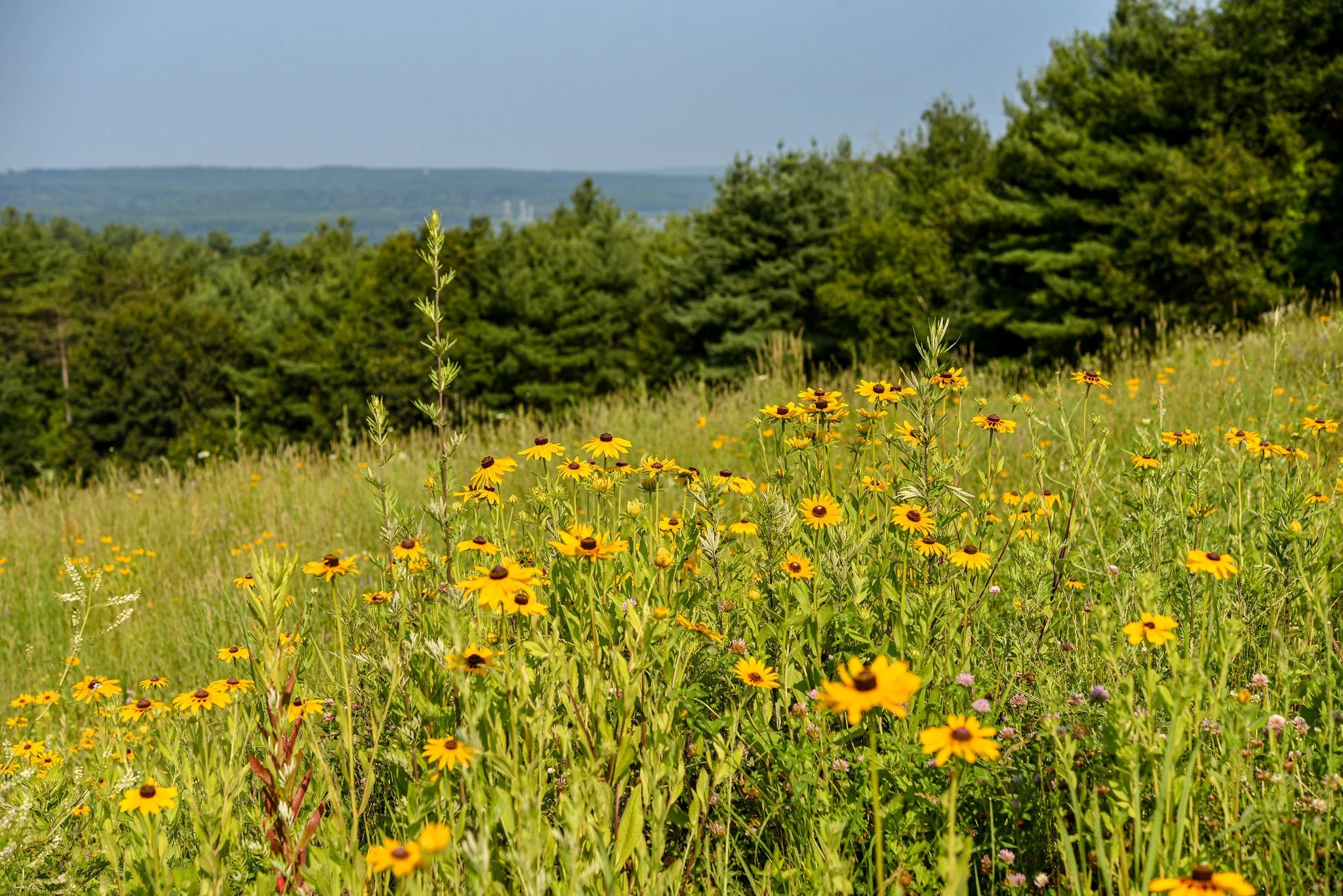
Robert Graham and Larry WeanerWe will visit multiple meadows with varying compositions and histories, including a native meadow that was planted in 2021; an older meadow dominated by pasture grasses and many of the broadleaf forbes that commonly associate with them; and a wet meadow containing a large population of native forbs and shrubs, managed by period mowing. Finally, we’ll visit an invasive plant-dominated vernal pool and discuss aggressive vs. gradual approaches to a native plant transition.
Scroll down for registration, NDAL Portal, group & gift orders, and discount details.
Program Collaborator & Host:

Instructor Bios:
-
Hunter Blanchard is a horticulturist at New England Botanic Garden at Tower Hill in Boylston, MA. He has been with the organization since 2018, serving in roles that allow him to share his passion for making plants accessible to people and for nurturing growing things. Today, Hunter leads a three-person team responsible for 10 acres of naturalistic garden spaces that foster plant biodiversity and support pollinator populations through a focus on North American native plant species. He enjoys interpreting these garden spaces for visitors through tours and talks, hoping that these learning opportunities inspire people to engage more with plants at home or in other areas of their lives. Hunter serves on the on the Annual Conference Planning Committee for the Ecological Landscape Alliance.
-
Steve Conaway, PhD joined New England Botanic Garden in 2024. Steve developed an early passion for plant science and sustainability working in crop diversity preservation on farms in New England. He studied environmental horticulture at the University of New Hampshire and plant pathology at The Pennsylvania State University where his doctoral dissertation centered on the control of invasive weeds with naturally occurring fungal pathogens. As Conservation and Outreach Director at Greenwich Land Trust, he led educational programming and directed ecological restoration projects on 750 acres of protected open space. Before joining the team at NEBG, Steve worked as the Associate Director of Horticulture at Wave Hill where he focused on the health and beauty of the gardens, greenhouses, and woodlands.
-
Robert Graham is the Land Steward Supervisor at New England Botanic Garden at Tower Hill. He has been with the organization since 2017 and is responsible for overseeing all formal groundskeeping as well as management of all naturalistic areas including meadows, woodlands, and wetlands. Robert earned his BS in Biology from Worcester State University where he focused on conservation biology and GIS. His professional interests include early successional habitats, native plant ecology, and sustainable land management.
-
Larry Weaner, FAPLD, founded Larry Weaner Landscape Associates in 1982 and New Directions in the American Landscape in 1990. His nationally recognized work combines horticulture, landscape design, and ecological restoration, and spans more than twenty U.S. states and the U.K. He has been profiled in national publications. His book, Garden Revolution: How Our Landscapes Can Be a Source of Environmental Change (Timber Press, 2016), co-authored by Tom Christopher, received an American Horticultural Society (AHS) Book Award in 2017. In 2021 he received the AHS “Landscape Design Award” and the Association of Professional Landscape Designers (APLD) “Award of Distinction.”
Registration Details:
-
When registering on the NDAL Participants Portal you will be asked to either sign into your existing account or create one. This account will give you exclusive access to any materials associated with the program. These materials will be available until three (3) months after the live event dates.
Registration will be refunded only if notification is received before ten (10) working days prior to the live event date less a $10 processing fee.
-
To register multiple people/staff members at once, click Register, then enter the number of registrations needed under “Quantity” on the left side. You will receive an email with an invite link to send to all the registrants in your group. **Please note: 1) ALL participants must click the invite link to officially redeem their registration for the program and 2) if you are registering yourself as well, you will NOT be automatically registered under a Group Order; you will also need to click the invite link to redeem your registration.**
-
Students please choose the Student Rate to register and bring your student ID/verification of student status to the program.
-
Wild Ones members please email info@ndal.org with verification of member status (ie. Membership ID card) for discount code or look out for an email from NDAL/Wild Ones with the code.
-
Northeast Organic Farming Association (NOFA) Accredited Organic Land Care Professional (AOLCP) members please look out for the discount code from NOFA, or contact Jennifer Shaffer, NOFA Organic Land Care’s Program Director at jennifer@ctnofa.org for the code.
-
Offer your colleague, friend, or relative a chance to attend this program. Gift them registration by selecting “This is a gift” on the checkout page.
Testimonials from past NDAL In the Field Programs:
“Always good to be out in the field ‘seeing’ the landscape through an ecologically technical lens and hear the successes and lessons learned from practical experience.”
“That was so valuable! The specifics were awesome, like traits of individual plants & design ideas (combinations & plants that tolerate each other in space & time). Specifics on species’ seed germination were wonderful!”
“This program really spoke to me. It addressed many issues I come across and inspired me to continue my work in this way.”
“Excellent as always!”
Continuing Education Organizations:



Continuing Education Organization Ally:
Institutional Ally:

Expand your company’s reach among landscape professionals and sponsor this program. Call 510-518-0430 for benefit & rate details.
For upcoming program news, sign up for our email list and follow us on social media:
Past NDAL In the Field Programs: